
Psychology
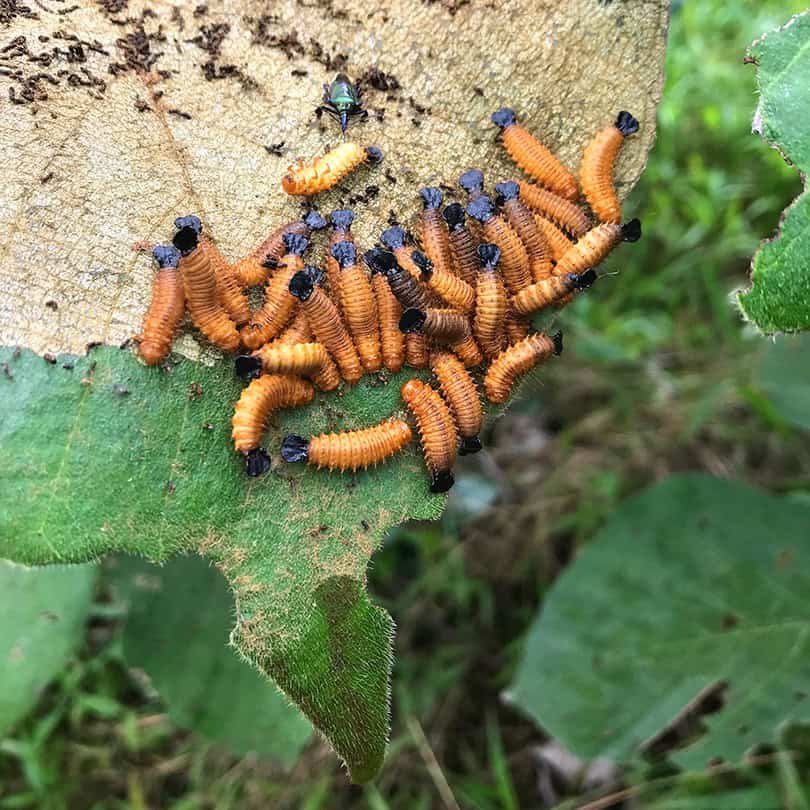
We talk a lot about consciousness, and climate is a consciousness problem. But it is also a psychology and behavior change problem — and they are different arenas. We have to fight and win the inner battle on a daily basis to show up for the external one.
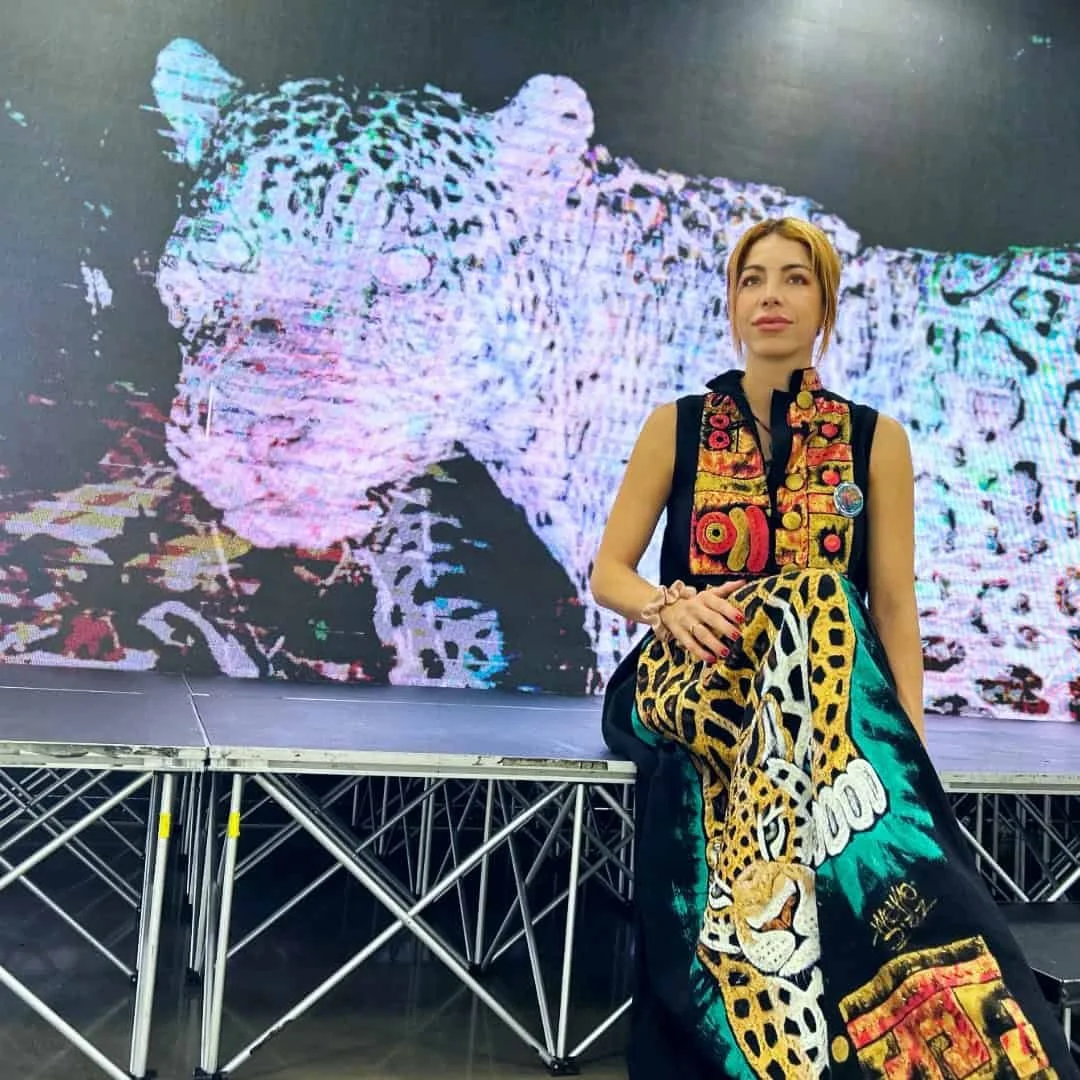


Consciousness tells you what to do. Grit gives you the strength to actually do it.
There is a definitive operating distinction between insight and follow-through. Making an impact in climate against the pattern of centuries of extraction requires legitimate mental toughness. Our founders honed mental toughness in other arenas, then applied it on behalf of Nature when their consciousness changed.
How we apply consciousness
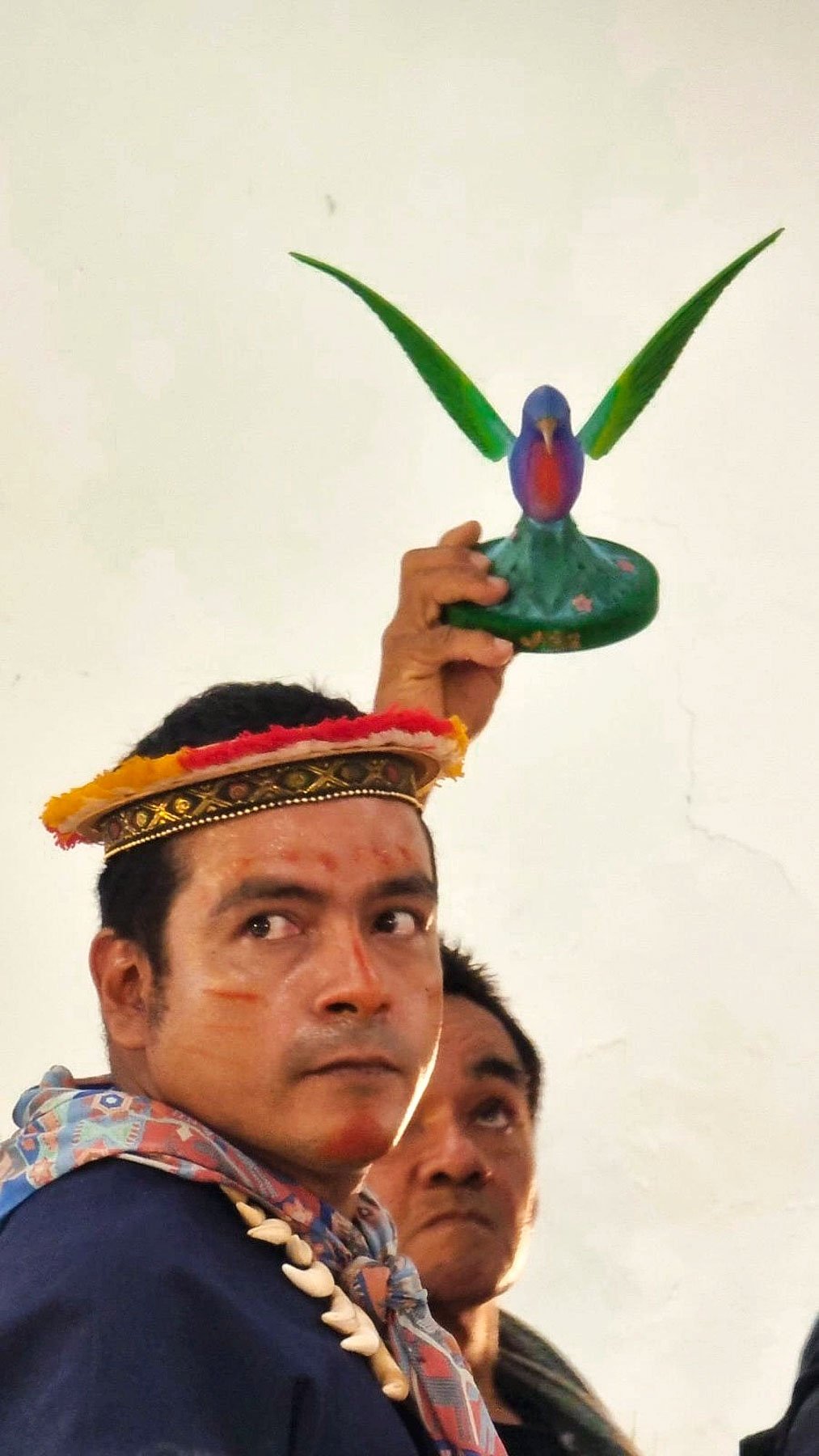
Consciousness as project-selection criterion.
-
Most climate finance treat forests as an inventory. We treat natural capital as a byproduct. We don't take a project unless we encounter consciousness on the other side of the table — a community that knows its own land, its own science, its own decisions. That's not a soft criterion. It's the gate. We've turned down well-funded projects with willing landowners because the relationship to the territory was that of ownership rather than guardianship. We've taken on smaller projects in harder geographies because the consciousness was real and the work was theirs.
-
Our relationship to Nature mirrors our relationship to our deepest self.
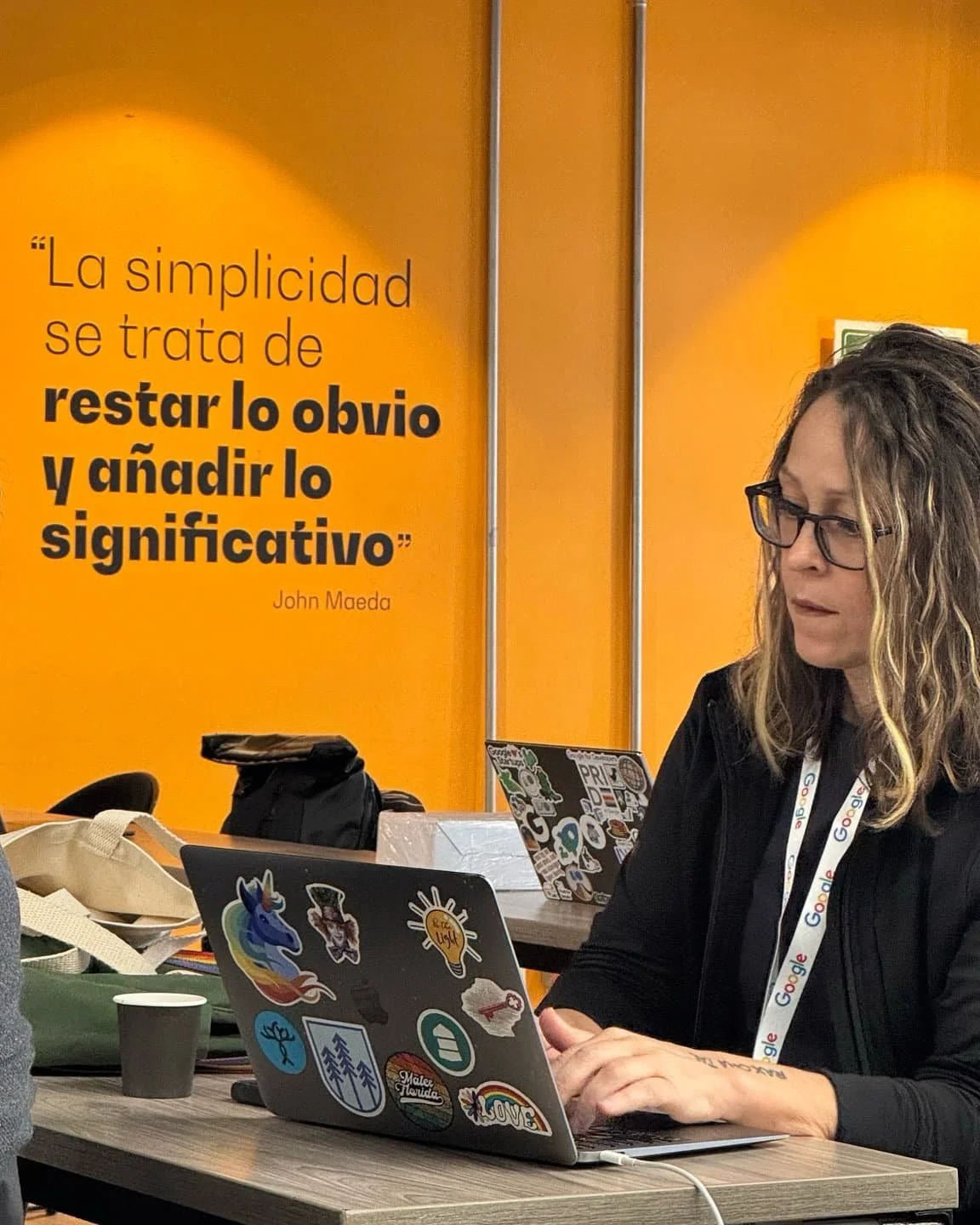
Consciousness as governance design.
-
We are very aware of the proper use of power. Savimbo's internal structure was built to keep consciousness present after the founders leave the room. Power is held at the outer ring of the organization, not the top. Decisions are distributed across a Mandala of seven engines and three founder roles. Science and important decisions are collective. Communities don't go through middlemen — they contract directly with us, get paid directly, and make their own calls. None of this is decorative. It's how we keep the work conscious when it scales.
-
Organizations that are truly alive have self-replicating fractal structures like Nature.
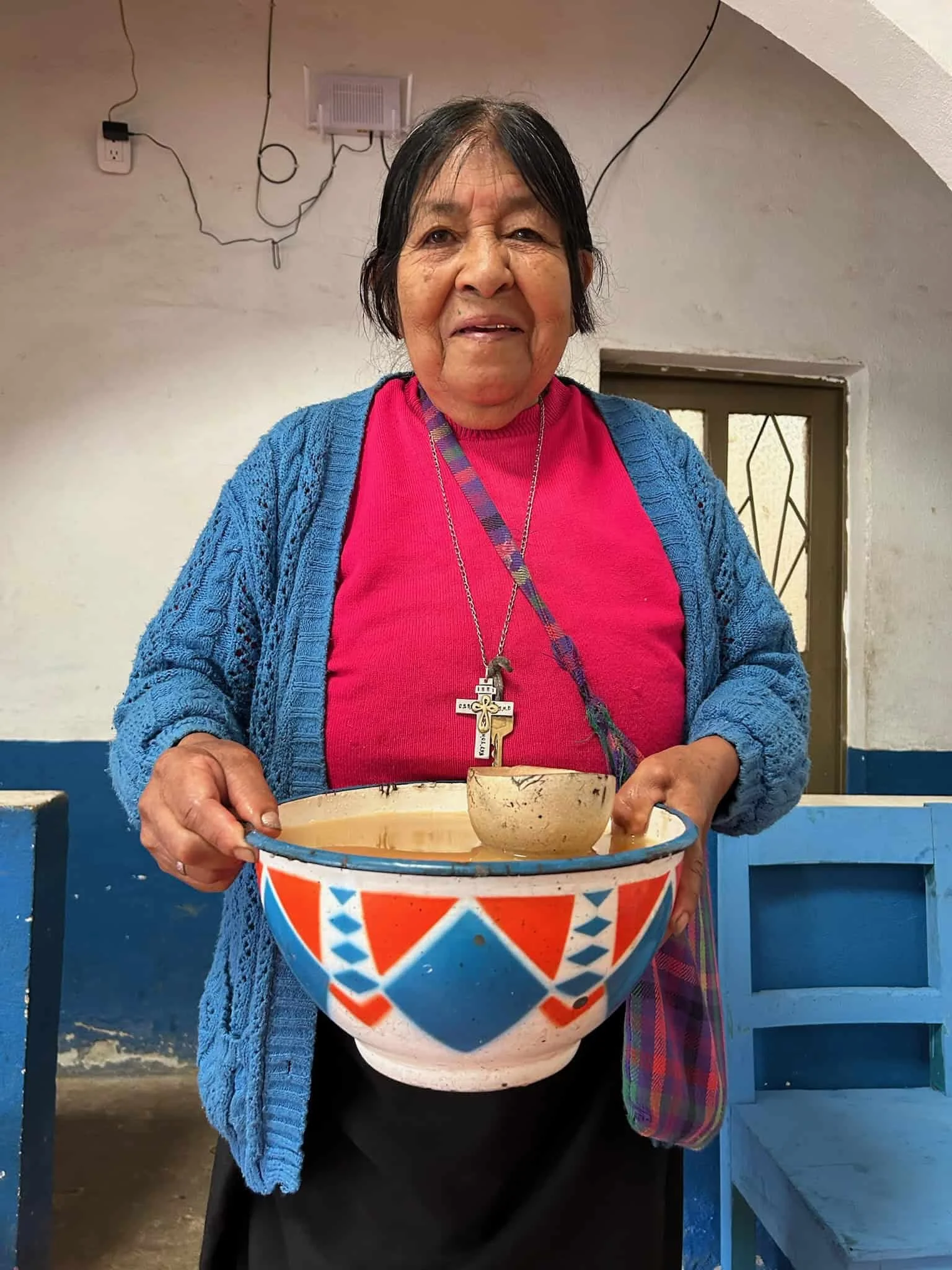
Consciousness as consent.
-
Free, Prior, and Informed Consent (FPIC) is a checkbox on most carbon projects. We treat it as a continuous, multi-jurisdictional, multi-generational practice — what we call FPIC+. Our biodiversity methodology (ISBM) asks communities to identify their own indicator species rather than imposing a universal list. Our water protocol (Water Bucket Protocol) puts science instruments in community hands. Each is consciousness translated into procedure: not "we know better" but "you know your land — let's measure what you already see."
-
Autonomy of conscious beings is one of the most fundamental laws of the planet. It underlies all true consent and collaboration.