
Program rules. For communities, by communities.
What our growers can expect — published openly, the same across every site we work with.
This page is for the communities and growers in Savimbo's programs. The rules below are referenced in our contracts and apply across every site we work with. If you're here to buy credits, our client page is over here.
Grower information
For all Savimbo growers
Year
2026
Flexibility
practical implementation
We run multiple ecologically friendly programs. This page covers the practical rules. They're implemented consistently across sites, but flexible inside the contract framework so we can update as Indigenous and industrial-world science evolves. We treat both knowledge systems as aligned with Natural Law and the Rights of Nature.
Structure
Pre-negotiated frames
Each program runs under an internationally binding contract. The contracts are pre-negotiated to comply with international human rights law, Indigenous rights law, host-nation law, best-practice business norms, and local ecojurisprudence. Certifiers and individual jurisdictions sometimes layer additional requirements on top.
Fairness
TRANSPARENCY in practice
Our software terms are separate from these program terms. When we update program terms, we update them fairly — the same change, across every site, at the same time. Communities, funders, clients, researchers, and press see the same information. This is public because Trust is a value, and because transparency, equity, and fairness can't be optional.
Established programs
-
![Savimbo biodiversity program]()
Biodiversity terms
The world's first certified indicator species biodiversity credits. Issued as IBUs, verified by Cercarbono.
From $6.50/ha/month · Certified · Exchange-listed -
![Tree sprouting and growing reforestation]()
Reforest terms
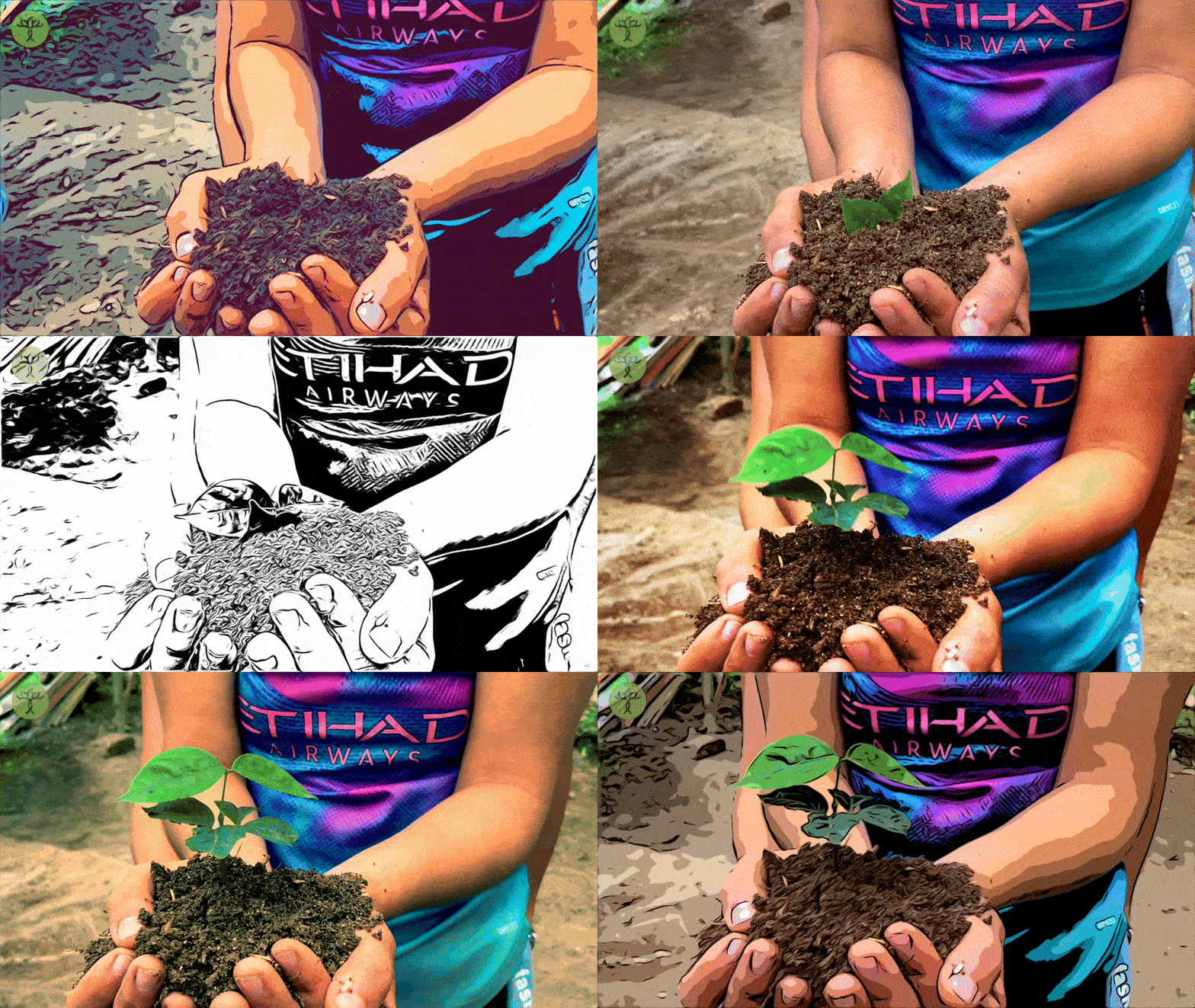
Plant native trees in Indigenous-managed food forests. Survival-verified at 6 and 12 months. (aka #SexyTrees)
From $5/tree · Smallfarmer-led · Native species -
![Savimbo carbon program]()
Carbon terms
Ex-post ton-year carbon from 30-year contracts with local communities. Direct, no brokers.
PACT-aligned · Ex-post only · Direct contracts -
![Savimbo water program]()
Water terms
Conservation payments protecting Amazon headwaters for communities, agriculture, and biodiversity downstream.
Action-based · Basin-specific · Emerging market -
![Savimbo agrobiodiversity program]()
Agrobiodiversity terms
Payments for rare crop preservation, traditional chagra systems, and Indigenous agricultural knowledge.
Frontier market · EUDR compliant · Co-designed with IP -
![]()
Ecotourism terms
Post-colonialist travel on equal footing with Indigenous hosts. Shared aims, shared economics, their terms.
Community-designed · Immersive · Limited availability



Our Process
-
![]()
01
We prefer communities to reach out to us and ask to be involved. We do take introductions, but only work directly with communities. Apply here →
-
![]()
02
The vast majority of communities start with a 6-month, no-strings, probationary pilot. The terms can be found are public here →
-
![]()
03
Communities that pass the probationary period and have outcomes to trade, qualify for informed consent, they can sign a formal contract, which qualifies them as co-owners of Savimbo and eligible for recurring revenue.


PROGRAM TERMSBiodiversity

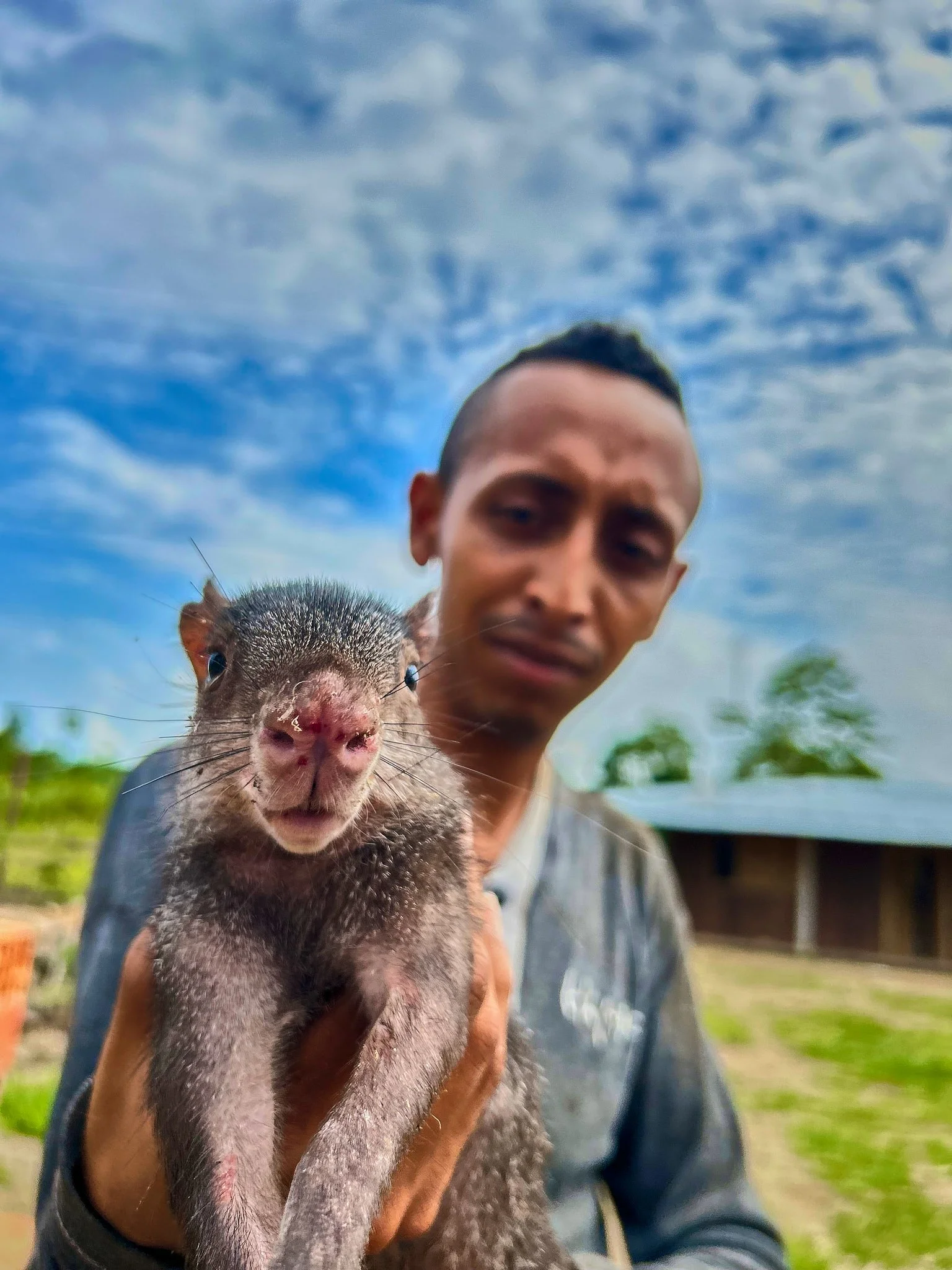
Our biodiversity credits program is the first in the world to certify and it’s still evolving. However, some standardized program rules have emerged.
Flexible terms
-
Currently, the biodiversity credit program starts at 50% of gross revenue to the Grower who originated the credit within 60 days of sale.
This can be renegotiated per-community annually, but not until after the first year, when we can sit down and negotiate based on what happened the year prior.
Our aim is to reduce our revenue share across all projects over time as the market stabilizes, so we can standardize and automate.
We reduce revenue globally based on company milestones with the eventual aim of 3.5% percent fees.
-
7% of Savimbo equity is distributed between the Growers who have completed a successful year on their contract.
-
Enrollment is ongoing, first-come, first-served. Please contact the team to see if this program is available at your site yet, and/or apply here and we’ll reach out when it is.
-
Usually, we get financing from Savimbo, or corporate, charity, or international development sponsors.
Savimboy pays local monitoring staff a monthly salary independent of sales, provides equipment, identify and categorizes species, and performs scientific and market advocacy for the credit to be adopted on international markets.
-
There is no restriction on hunting, but overhunting or ecosystem depletion will reduce credits naturally.
Communities are required to complete tracking on a regular basis to recieve a monitoring salary, provide reliable staff for the program, make sure equipment is maintained in good working order, negotiate human-wildlife conflict locally, represent their ecosystem authentically in international negotiations, respect the Rights of Nature, and preserve rare animals so monitoring data can be aquired.
HOW communities conserve and track species, we consider traditional ecological knowledge and a trade secret, we don’t ask, we simply require outcome measurements for payments and international trade.
-
We respect communities privacy. If they wish to work with us anonymously in the pilot period, that is fine unless there are third party certifiers or client sales require public disclosure.
All rights holders must be informed about the project under FPIC protocols however and we take this seriously.
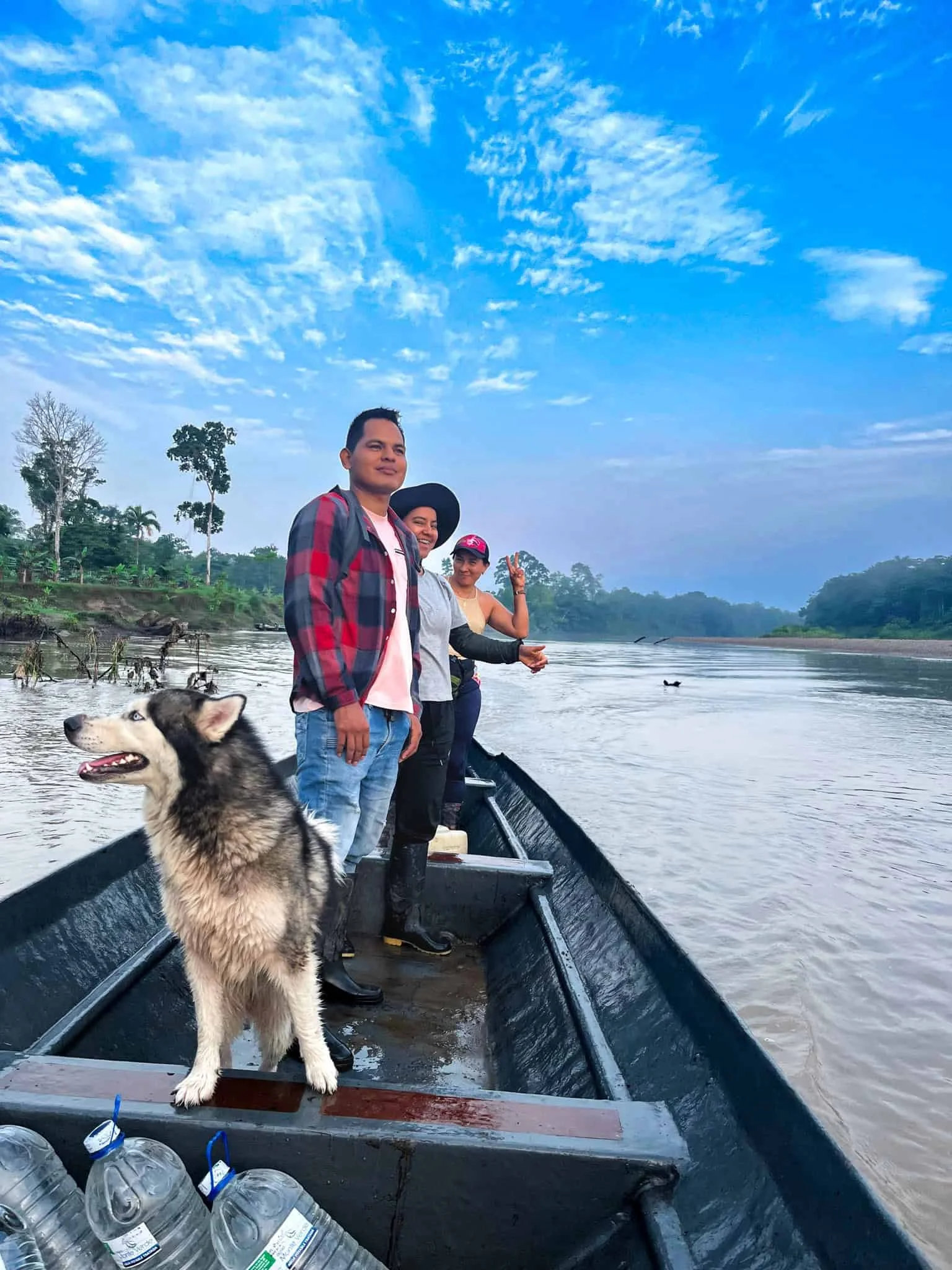
For step 2, the pilot agreement, we provide the following community information package. Let us know if you need it translated into an Indigenous language — we have a translation service available for basic information.
02
PROGRAM TERMSReforest
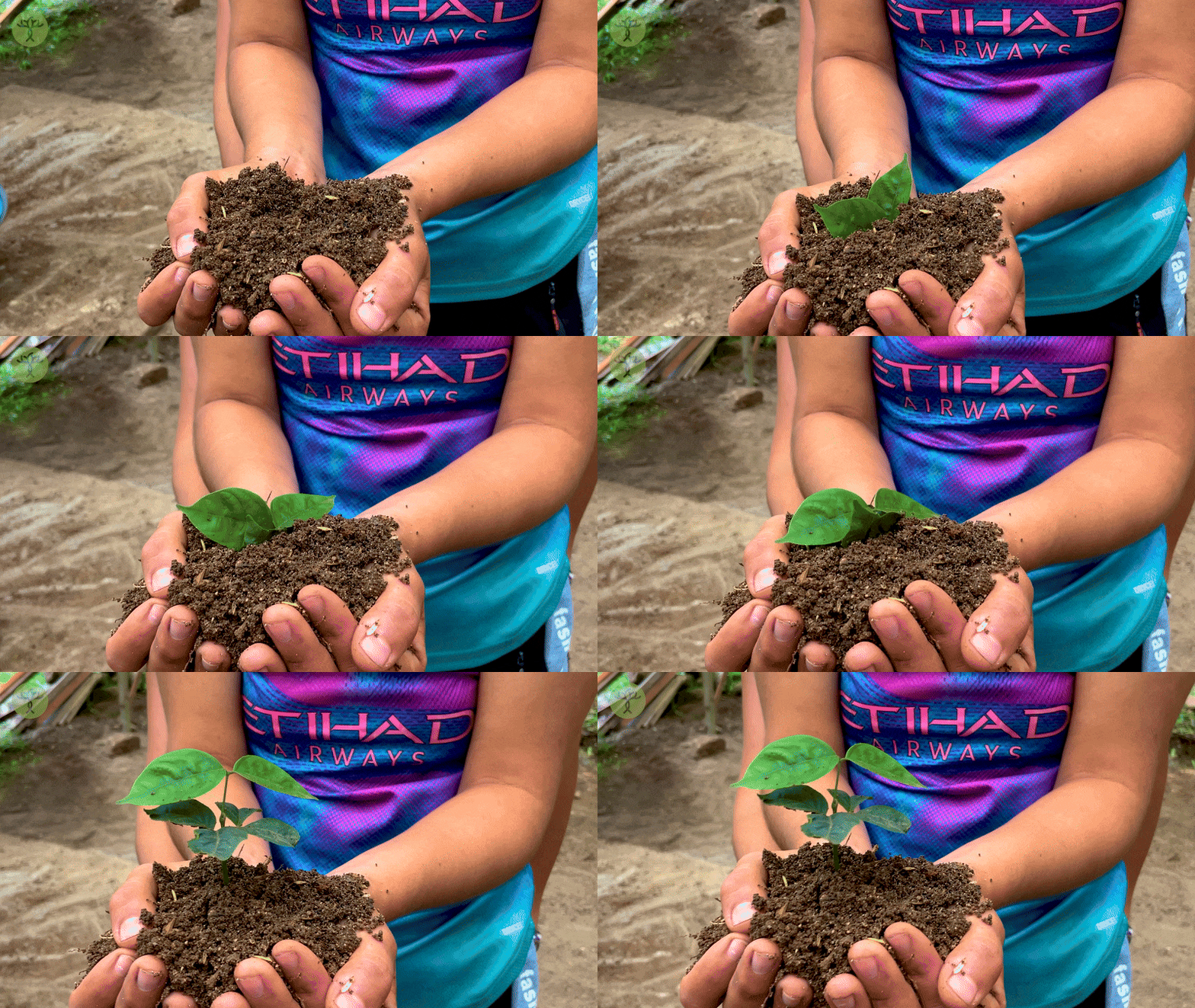
Our reforestation program (aka #SexyTrees) was designed by grassroots communities and Indigenous leaders to be tangible, fair, high-impact, rapidly scaling, and ecologically sound. Its highly popular and rapidly gaining interest from communities and funders who want something more tangible and faster moving than carbon.
Flexible terms
-
Currently, the tree program is just a straight outcomes purchase as per the schema below. Functionally, that means $2-3 in the community’s pocket per tree over a year. How many trees are planted are agreed upon in advance.
-
7% of Savimbo equity is distributed between the Growers who have completed a successful year on their contract.
-
Enrollment is ongoing, first-come, first-served. Please contact the team to see if this program is available at your site yet, and/or apply here and we’ll reach out when it is.
-
Usually, we get financing from Savimbo, or corporate, charity, or international development sponsors.
Savimboy pays local monitoring staff a monthly salary independent of sales, provides equipment, identify and categorizes species, and performs scientific and market advocacy for the credit to be adopted on international markets.
-
There is no restriction on hunting, but overhunting or ecosystem depletion will reduce credits naturally.
Communities are required to complete tracking on a regular basis to recieve a monitoring salary, provide reliable staff for the program, make sure equipment is maintained in good working order, negotiate human-wildlife conflict locally, represent their ecosystem authentically in international negotiations, respect the Rights of Nature, and preserve rare animals so monitoring data can be aquired.
HOW communities conserve and track species, we consider traditional ecological knowledge and a trade secret, we don’t ask, we simply require outcome measurements for payments and international trade.
-
We respect communities privacy. If they wish to work with us anonymously in the pilot period, that is fine unless there are third party certifiers or client sales require public disclosure.
All rights holders must be informed about the project under FPIC protocols however and we take this seriously.
$1
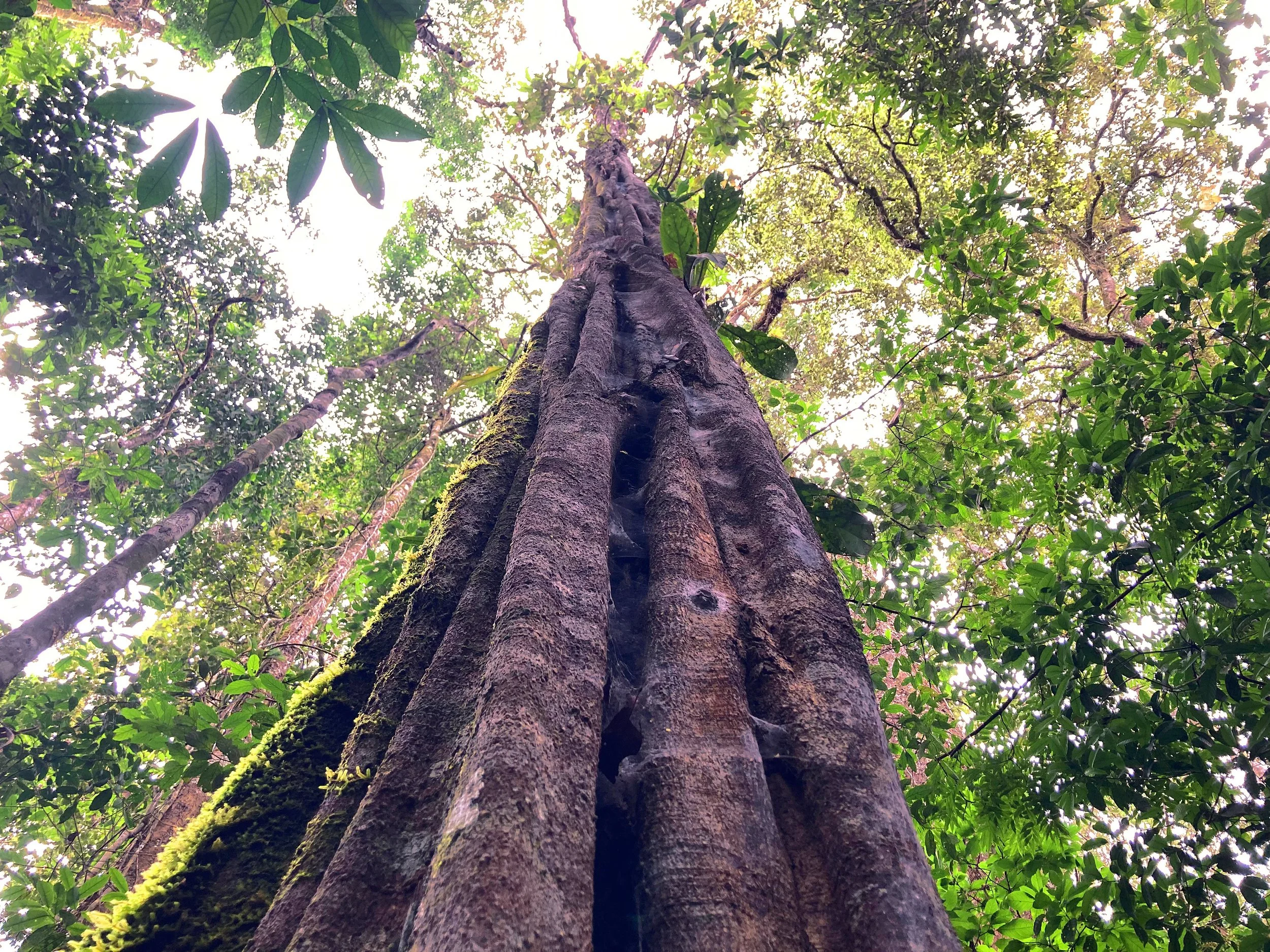
It’s $1 per tree to plant, final sale, when the planting is validated.

$0.50
We pay for the final payment for trees alive at 12 months. If you are enrolled in a resale contract rather than a pilot, you can get more trees funded if we can sell the trees from your site.

$1
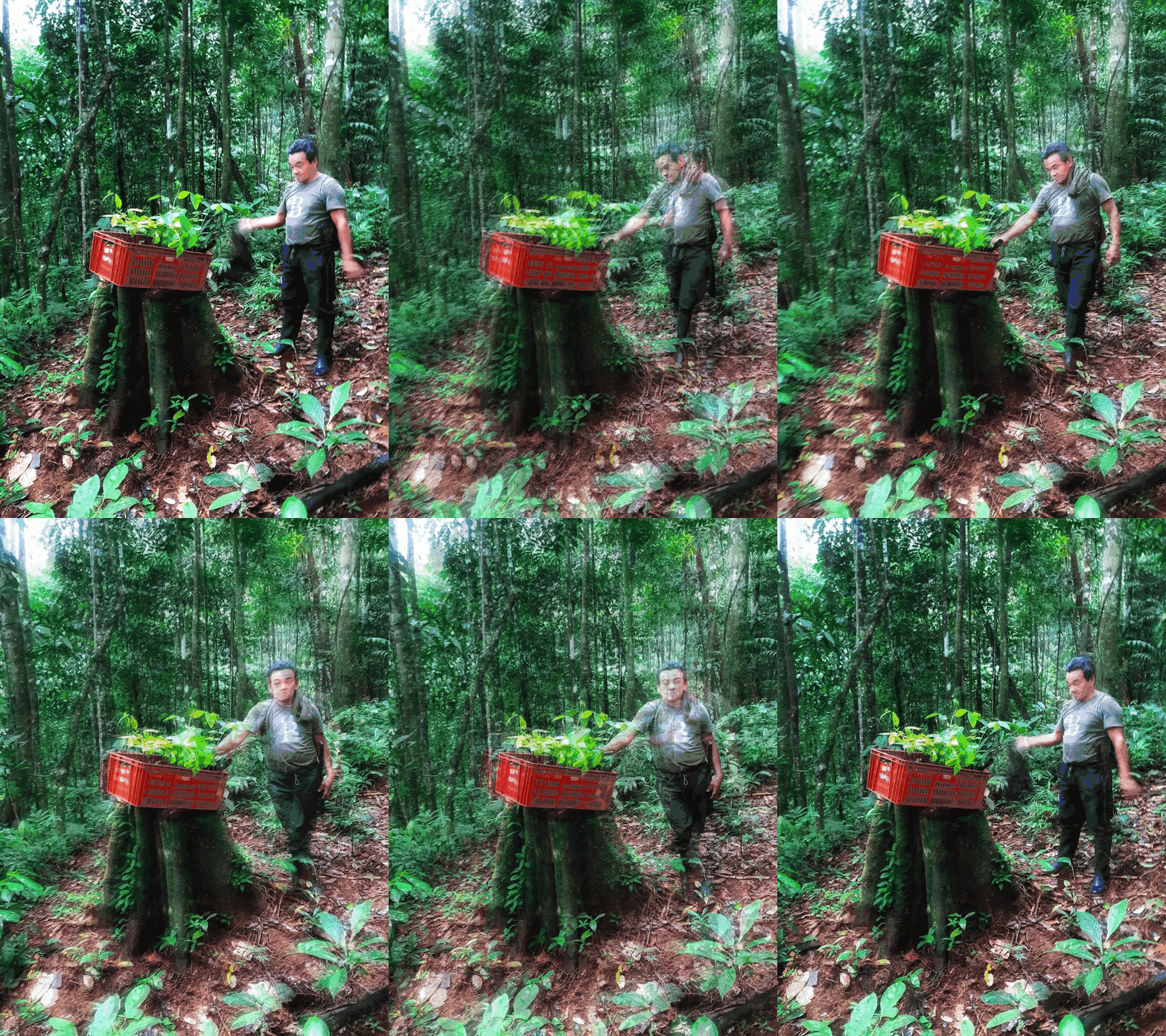
Seedlings are usually generated by women’s groups in grassroots community nurseries.
Its $0.50 at six months per tree that survived. (We do allow ‘cheating’ if the new tree is the same species as the one that was originally planted.)

$0.50
PROGRAM TERMSCarbon
Our biodiversity credits program is the first in the world to certify and it’s still evolving. However, some standardized program rules have emerged.
Flexible terms
-
Currently, the biodiversity credit program starts at 50% of gross revenue to the Grower who originated the credit within 60 days of sale.
7% of Savimbo equity is distributed between biodiversity of carbon Growers who have completed a successful year on their contract.
Savimbo pays local monitoring staff a monthly salary independent of sales, provides equipment, identify and categorizes species, and performs scientific and market advocacy for the credit to be adopted on international markets.
We share the same program information with communities, investors, clients, researchers and press so there is no double-speak. The community presentations are below.
-
7% of Savimbo equity is distributed between the Growers who have completed a successful year on their contract.
-
We’re really hesitant to tackle carbon projects because of the equity issues in the market, and the delayed availability of protocols we like scientifically and economically.
Enrollment is ongoing, first-come, first-served based on financing. Please contact the team to see if this program is available at your site yet, and/or apply here and we’ll reach out when it is.
-
Usually, we get financing from Savimbo, or corporate, charity, or international development sponsors.
Savimboy pays up front costs, including carbon study staff a monthly salary independent of sales, provides equipment, and performs scientific and market advocacy for the credit to be adopted on international markets.
-
There is significant long-term restrictions on land use under a carbon project, and we are really hesitant about taking on communities without evidence of radical long-term commitment to conservation.
Communities have to wait a long time for carbon revenue, it’s really hard to get forward financing for projects these days, and the best way to avoid predatory or inequitable financing is to take a delayed payment.
We recommend that communities plan to have zero revenue from a carbon project for 2-3 years. We know that’s not fair. We’ve tried advance payments before and failed at it because of market unreliability.
-
We respect communities privacy. If they wish to work with us anonymously in the pilot period, that is fine unless there are third party certifiers or client sales require public disclosure.
All rights holders must be informed about the project under FPIC protocols however and we take this seriously.
Savimbo rating system (SRS)
We attempted advanced micropayments for smallfarmer inclusion in the carbon market. We stand by this approach; a fair-trade floor payment is the only ethical way to include subsistence agricultural producers in an experimental market like carbon, and they have the highest value production capacity in the space. However, we were unable to make it work economically, as the market is unoptimized, clogged with intermediaries, and currently unethical in its treatment of primary producers. We’re waiting to reenter the market after the 2023 crash, and will do so using the PACT framework with ex-post data and a satelite-automated rating system.
PROGRAM TERMSWater
Our biodiversity credits program is the first in the world to certify and it’s still evolving. However, some standardized program rules have emerged.
Flexible terms
-
Currently, the biodiversity credit program starts at 50% of gross revenue to the Grower who originated the credit within 60 days of sale.
7% of Savimbo equity is distributed between biodiversity of carbon Growers who have completed a successful year on their contract.
Savimbo pays local monitoring staff a monthly salary independent of sales, provides equipment, identify and categorizes species, and performs scientific and market advocacy for the credit to be adopted on international markets.
We share the same program information with communities, investors, clients, researchers and press so there is no double-speak. The community presentations are below.
-
7% of Savimbo equity is distributed between the Growers who have completed a successful year on their contract.
-
Enrollment is ongoing, first come-first served. Please contact your local office to see if this program is available at your site yet or apply here and we’ll reach out.
-
Usually, we get financing from Savimbo, or corporate, charity, or international development sponsors.
Savimboy pays local monitoring staff a monthly salary independent of sales, provides equipment, identify and categorizes species, and performs scientific and market advocacy for the credit to be adopted on international markets.
-
There is no restriction on hunting, but overhunting or ecosystem depletion will reduce credits naturally.
Communities are required to complete tracking on a regular basis to recieve a monitoring salary, provide reliable staff for the program, make sure equipment is maintained in good working order, negotiate human-wildlife conflict locally, represent their ecosystem authentically in international negotiations, respect the Rights of Nature, and preserve rare animals so monitoring data can be aquired.
HOW communities conserve and track species, we consider traditional ecological knowledge and a trade secret, we don’t ask, we simply require outcome measurements for payments and international trade.
-
We respect communities privacy. If they wish to work with us anonymously in the pilot period, that is fine unless there are third party certifiers or client sales require public disclosure.
All rights holders must be informed about the project under FPIC protocols however and we take this seriously.
PROGRAM TERMSAgrobiodiversity
We’re still negotiating the terms for agrobiodiversity internationally, but we have started making some outcomes payments to Indigenous chagras under this program. This program is experimental but has significant potential.
Flexible terms
-
Currently, the biodiversity credit program starts at 50% of gross revenue to the Grower who originated the credit within 60 days of sale.
7% of Savimbo equity is distributed between biodiversity of carbon Growers who have completed a successful year on their contract.
Savimbo pays local monitoring staff a monthly salary independent of sales, provides equipment, identify and categorizes species, and performs scientific and market advocacy for the credit to be adopted on international markets.
We share the same program information with communities, investors, clients, researchers and press so there is no double-speak. The community presentations are below.
-
7% of Savimbo equity is distributed between the Growers who have completed a successful year on their contract.
-
Enrollment is ongoing, first come-first served. Please contact your local office to see if this program is available at your site yet or apply here and we’ll reach out.
-
Usually, we get financing from Savimbo, or corporate, charity, or international development sponsors.
Savimboy pays local monitoring staff a monthly salary independent of sales, provides equipment, identify and categorizes species, and performs scientific and market advocacy for the credit to be adopted on international markets.
-
There is no restriction on hunting, but overhunting or ecosystem depletion will reduce credits naturally.
Communities are required to complete tracking on a regular basis to recieve a monitoring salary, provide reliable staff for the program, make sure equipment is maintained in good working order, negotiate human-wildlife conflict locally, represent their ecosystem authentically in international negotiations, respect the Rights of Nature, and preserve rare animals so monitoring data can be aquired.
HOW communities conserve and track species, we consider traditional ecological knowledge and a trade secret, we don’t ask, we simply require outcome measurements for payments and international trade.
-
We respect communities privacy. If they wish to work with us anonymously in the pilot period, that is fine unless there are third party certifiers or client sales require public disclosure.
All rights holders must be informed about the project under FPIC protocols however and we take this seriously.